
The Algiz rune stands as one of the most powerful and recognizable symbols within the Elder Futhark, the oldest runic alphabet used by early Germanic peoples. Often called the rune of protection, Algiz has captivated scholars, spiritual seekers, and enthusiasts of Norse culture for centuries. Understanding the algiz rune meaning requires exploring its historical context, examining its symbolic significance, and recognizing how this ancient symbol continues to resonate in contemporary culture. This guide delves into the origins, interpretations, and modern applications of this enduring Norse symbol.
What Is the Algiz Rune?
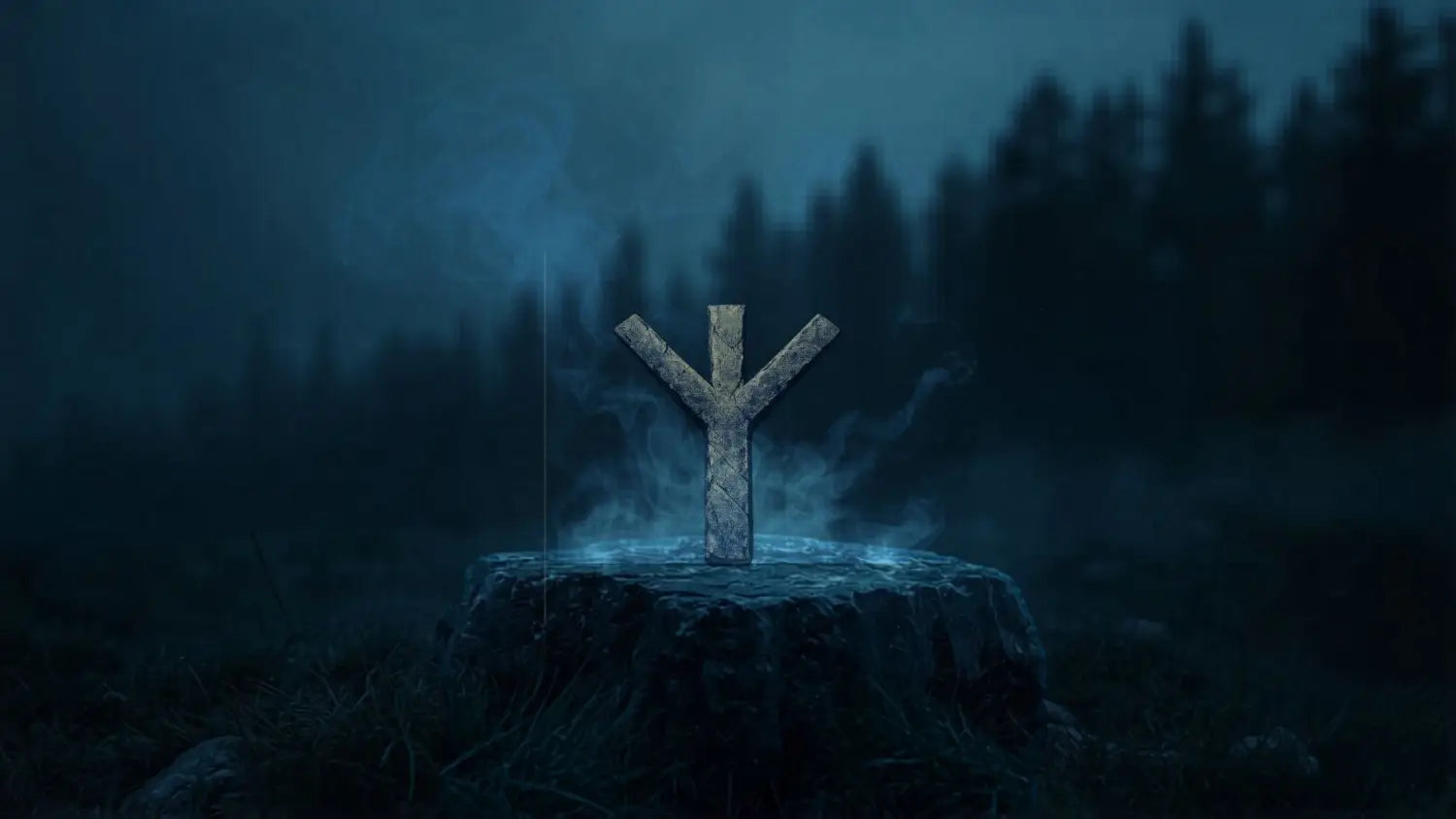
The Algiz rune is the fifteenth character in the Elder Futhark, the runic alphabet used throughout Scandinavia and other Germanic regions from approximately the 2nd to 8th centuries CE. Visually, the algiz symbol resembles a person standing with arms raised upward or the branching antlers of an elk, consisting of a vertical line with two or three diagonal lines extending upward from its top.
The rune's name "Algiz" derives from Proto-Germanic *algiz or *elhaz, meaning "elk" or "protection." This connection to the elk is significant, as these powerful animals were revered in Germanic cultures for their strength, alertness, and impressive antlers that served as natural weapons of defense. The physical shape of the rune mirrors these protective antlers, creating a visual representation of its defensive qualities.
In runic inscriptions, Algiz appears in various contexts, from memorial stones to personal objects, often positioned to invoke protection or mark sacred spaces. The rune's distinctive shape made it easily recognizable and suitable for carving into wood, stone, and metal—the primary materials used for runic writing in ancient times.
Origins of the Algiz Rune
To understand the algiz rune meaning, we must first examine the broader context of runic writing systems. Runes emerged among Germanic peoples around the 1st or 2nd century CE, likely influenced by contact with Mediterranean alphabets such as Latin and Greek. However, runes developed their own unique characteristics, serving not only as a writing system but also carrying magical and symbolic significance.
The Elder Futhark, which contains the Algiz rune, consists of 24 characters divided into three groups of eight, called ættir (families). Algiz belongs to the third ættir, alongside runes associated with divine forces and cosmic concepts. This placement suggests the rune held particular spiritual importance beyond its practical use in writing.
Archaeological evidence of the Algiz rune appears throughout Scandinavia, Germany, and other regions inhabited by Germanic tribes. The rune features prominently on bracteates (thin gold medallions), weapons, and runestones, often in contexts suggesting protective or sacred purposes. One notable example appears on the Lindholm amulet from Sweden, where Algiz forms part of a protective inscription.
The historical use of runes extended beyond simple communication. Runic inscriptions were believed to hold power, with certain runes like Algiz specifically chosen for their protective qualities. Runemasters—individuals skilled in runic lore—understood both the practical and esoteric applications of these symbols, preserving knowledge that connected writing, magic, and spiritual practice.
What Does the Algiz Rune Mean?
The algiz rune meaning encompasses several interconnected concepts, with protection standing as its primary association. The rune symbolizes a shield against harm, both physical and spiritual, representing the defensive posture needed to guard oneself against threats. This protective quality extends to awareness and vigilance—the mental alertness required to recognize danger before it strikes.
Beyond defense, Algiz represents the connection between earthly and divine realms. The upward-reaching arms of the rune suggest a bridge between human existence and higher spiritual forces, invoking divine protection and guidance. This vertical orientation symbolizes aspiration, reaching toward the sacred while remaining grounded in the physical world.
The elk association adds layers of meaning to the rune. Elks embody strength, nobility, and the instinct for self-preservation. Their antlers, which the rune visually echoes, serve as both weapons and symbols of natural authority. In Norse and Germanic cultures, the elk represented a worthy opponent in hunting, demanding respect and skill—qualities that transfer symbolically to the rune itself.
Some interpretations connect Algiz to the concept of sanctuary or sacred space. The rune's shape resembles a person in a posture of prayer or invocation, suggesting the creation of protected boundaries where spiritual work can occur safely. This interpretation aligns with archaeological findings showing Algiz used in contexts marking sacred or significant locations.
Algiz Rune in Norse Beliefs
Within Norse and broader Germanic spiritual traditions, runes functioned as more than alphabetic characters—they were considered gifts from the gods, imbued with inherent power. According to Norse mythology, Odin discovered the runes through self-sacrifice, hanging from Yggdrasil, the World Tree, for nine nights to gain their wisdom. This mythological origin elevated runes to sacred status.
The algiz rune specifically connected to protective deities and forces within the Norse pantheon. Some scholars associate it with the Valkyries, divine figures who protected chosen warriors, or with Heimdall, the watchful guardian of the gods. These connections reinforce the rune's protective and vigilant qualities.
In practical application, Norse and Germanic peoples incorporated Algiz into various protective practices. Warriors might carve the rune onto weapons or shields, seeking its defensive power in battle. Travelers could inscribe it on personal items for safe passage. Households might mark doorways or boundary stones with Algiz to ward off harmful influences.
The rune also played a role in divination and spiritual guidance. When drawn in runic casting, Algiz traditionally indicates the need for protection, heightened awareness, or connection with higher guidance. Its appearance suggests both the presence of protective forces and the responsibility to remain alert and prepared.
Algiz Rune in Modern Norse Culture
Contemporary interest in Norse culture has brought renewed attention to runic symbols, with the algiz symbol experiencing particular popularity. Modern practitioners of Norse paganism, including Ásatrú and Heathenry, incorporate Algiz into spiritual practices, viewing it as a connection to ancestral traditions and a source of protective energy.
The rune appears frequently in modern Scandinavian contexts, from artistic representations to cultural celebrations of Nordic heritage. While contemporary use differs from historical practice, it reflects ongoing engagement with Norse symbolism and the desire to maintain cultural continuity with the past.
In popular culture, the Algiz rune features in literature, music, and visual media exploring Norse themes. This visibility has introduced the symbol to global audiences, though it sometimes appears alongside historical inaccuracies or oversimplifications. Responsible representation requires understanding the rune's authentic historical context while acknowledging its evolution in modern interpretation.
Educational initiatives in Scandinavia and beyond work to preserve accurate knowledge of norse runes meaning, ensuring that symbols like Algiz are understood within their proper cultural and historical framework. Museums, academic institutions, and cultural organizations provide resources for those seeking authentic information about runic traditions.

Algiz Rune Jewelry and Symbols Today
The algiz rune has become a prominent feature in Viking-inspired and Norse-themed jewelry. Pendants, rings, bracelets, and earrings bearing the Algiz symbol appeal to individuals seeking connection with Norse heritage, those drawn to its protective symbolism, or people who appreciate its aesthetic simplicity and historical depth.
Modern runic jewelry ranges from historically-inspired reproductions based on archaeological finds to contemporary interpretations that blend traditional symbolism with modern design sensibilities. Sterling silver remains a popular choice for these pieces, offering durability and a connection to traditional Nordic metalworking. Bronze and iron versions provide a more rustic appearance that many associate with historical authenticity.
People wear Algiz rune jewelry for various reasons. Some view it as a protective talisman, drawing on the rune's traditional association with defense and safety. Others wear it as a symbol of spiritual awareness or connection to Norse ancestry and culture. The rune's clean, geometric design also appeals to those who appreciate minimalist aesthetics with meaningful symbolism.
Beyond jewelry, the Algiz rune appears in tattoos, artwork, and home décor. Tattoo enthusiasts often choose Algiz for its protective meaning and visual impact, sometimes combining it with other Norse symbols to create personalized designs. Artists incorporate the rune into paintings, sculptures, and digital art exploring Norse themes and symbolism.
Conclusion
The algiz rune meaning encompasses protection, awareness, and the connection between earthly and divine realms. From its origins in the Elder Futhark through its use in ancient Germanic cultures to its presence in modern Norse-inspired art and jewelry, Algiz has maintained its significance as a powerful symbol of defense and spiritual vigilance. Understanding this rune of protection requires appreciating both its historical context and its continued relevance in contemporary culture. Whether studied for historical interest, worn as meaningful jewelry, or incorporated into spiritual practice, the Algiz rune continues to serve as a bridge between ancient wisdom and modern seekers of protection and guidance.